Anúncios
Overview of Metaverse Tokens
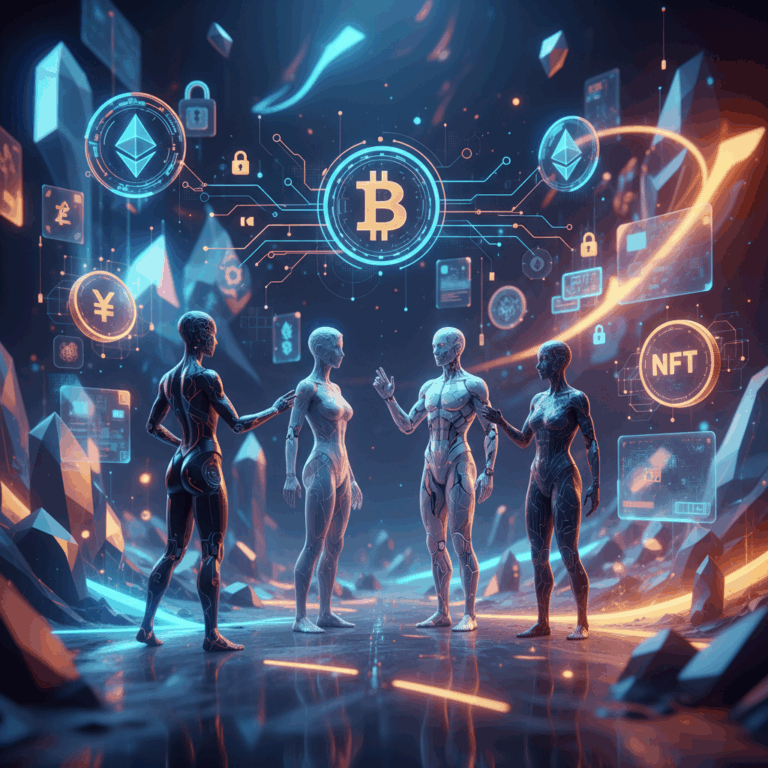
The metaverse is a fast-growing digital space where virtual worlds and decentralized economies come together. Central to this ecosystem are metaverse tokens, driving transactions and governance.
These tokens represent a new internet evolution, enabling users to own, trade, and interact within digital environments. Understanding their nature is essential for anyone exploring this domain.
Anúncios
Metaverse tokens empower virtual communities with digital ownership and economic activity, making them the foundation of interactive metaverse experiences.
Types of Metaverse Tokens: Coins and Tokens
Metaverse tokens fall into two main categories: coins and tokens. Coins like MANA and SAND serve as native currencies for buying virtual land and goods within platforms.
Anúncios
In contrast, tokens often represent governance rights or specific digital assets, such as Enjin Coin (ENJ) for gaming items or Axie Infinity (AXS) for staking and voting.
Both types enable vital functionality within metaverses, facilitating ownership, access, and economic interactions in these digital worlds.
Trading of coins and tokens occurs on major exchanges, supporting liquidity and wider adoption by users and investors.
Blockchain Security and Decentralization
Metaverse tokens rely on blockchain technology, which ensures robust security, transparency, and immutability of transactions within these virtual economies.
This technology decentralizes control, preventing a single entity from dominating the platform and enhancing trust among users worldwide.
Decentralization supports community governance and ownership, allowing users to influence platform development and policies through token-based voting.
Enhanced security and openness of blockchain form the backbone that allows metaverse tokens to function reliably at scale.
Leading Metaverse Projects and Their Tokens
The metaverse landscape is shaped by prominent projects that offer unique digital ecosystems backed by their native tokens. These platforms blend virtual experiences with blockchain-based economies.
Understanding these leading projects and their tokens is crucial for anyone interested in the metaverse’s growth and investment opportunities, as they set the industry’s pace.
The tokens native to these metaverses enable commerce, governance, and creative development, making them integral to the platforms’ success and user engagement.
Decentraland and The Sandbox
Decentraland’s MANA token powers its virtual real estate market where users buy, sell, and develop parcels of land, giving direct ownership in a decentralized platform.
The Sandbox’s SAND token similarly facilitates an ecosystem for creators to build, monetize, and interact with gaming experiences, emphasizing user-generated content.
Both platforms leverage blockchain to secure transactions and enable decentralized governance, allowing token holders to participate in platform decisions and developments.
These projects highlight how tokens can integrate ownership, economy, and community control within immersive virtual worlds, driving mass adoption.
Axie Infinity and Enjin Coin
Axie Infinity’s AXS token combines gaming and blockchain, enabling players to earn rewards, stake tokens, and participate in governance, fueling its play-to-earn ecosystem.
Enjin Coin (ENJ) supports the creation and management of in-game assets, offering tangible value by embedding ENJ within digital items to guarantee their scarcity.
Both tokens empower gaming communities to own, trade, and monetize virtual goods securely, demonstrating the convergence of gaming and decentralized finance.
This fusion fosters vibrant economies where players benefit directly from their digital asset ownership and participation in governance.
Emerging Tokens: ApeCoin, Render, and Illuvium
ApeCoin (APE) originates from the Bored Ape Yacht Club NFT community, evolving into a token for governance and expanded metaverse access beyond its initial scope.
Render Token (RNDR) focuses on decentralized graphics rendering by connecting digital creators with computing power, enhancing creative processes in the metaverse.
Illuvium (ILV) integrates blockchain with gaming, offering a decentralized RPG environment where players collect and battle creatures while earning through token ownership.
New Frontiers in Metaverse Innovation
These emerging tokens illustrate how metaverse ventures diversify roles—beyond land and gaming—into governance, creative infrastructure, and immersive experiences.
Growth and Market Dynamics of Metaverse Tokens
The growth of metaverse tokens is closely linked to the expansion of their underlying virtual platforms, driven by rising user engagement and development activity.
As more participants join metaverse ecosystems, demand for native tokens rises, impacting their market value and liquidity.
Understanding market dynamics helps investors and users gauge opportunities and challenges in this evolving digital asset class.
Price Appreciation and Volatility
Metaverse tokens have shown significant price appreciation since launch, reflecting growing interest and platform adoption among users and investors.
However, these tokens often experience high volatility, influenced by changing user activity, platform updates, and overall crypto market fluctuations.
Investors should expect rapid value swings and consider these factors when assessing the potential of metaverse assets.
Price trends are not only speculative but also tied to the success and innovation within respective virtual environments.
Platform Adoption and User Activity
The value of metaverse tokens depends heavily on platform adoption, including user growth, developer involvement, and business integration.
High user activity fuels token demand through transactions, staking, and in-game purchases, reinforcing ecosystem vitality.
Platforms with expanding communities and features generally see increased token utility and market performance.
Sustained engagement and platform enhancements drive long-term token viability and help differentiate leading metaverse projects.
Investment Potential and Risks
The investment potential of metaverse tokens is driven by the rapid expansion of virtual worlds and their economies. These tokens offer access to pioneering digital assets and governance.
As metaverse platforms grow, early investors may benefit from increasing demand for native tokens tied to virtual real estate, gaming, and creative ecosystems. This sector is attractive for growth.
However, investors need to weigh these opportunities against inherent risks in this emerging, volatile market shaped by evolving technology and user adoption.
Opportunities in a Growing Sector
Metaverse tokens present unique opportunities as the sector develops new business models merging entertainment, social connection, and decentralized finance.
Growth prospects are fueled by expanding user bases, innovations in digital ownership, and integration of real-world economic activities within virtual environments.
Investors gain exposure to diverse applications like virtual land, NFTs, and in-game assets, all of which contribute to ecosystem value and token appreciation potential.
Platforms promoting user participation and governance tend to attract more engagement, driving token demand and long-term ecosystem resilience.
Market Risks and Regulatory Challenges
The metaverse token market carries significant risks including high volatility and uncertainty around project longevity and technological developments.
Regulatory scrutiny is increasing globally, raising concerns about legal compliance, investor protections, and the status of digital assets in various jurisdictions.
Market risks also stem from intense competition among projects, potential security vulnerabilities, and the challenge of driving sustained user adoption.
Investors must remain aware of these factors and conduct thorough research before entering to mitigate risks while capitalizing on potential returns.