Anúncios
Definition and Market Signals of Altcoin Season
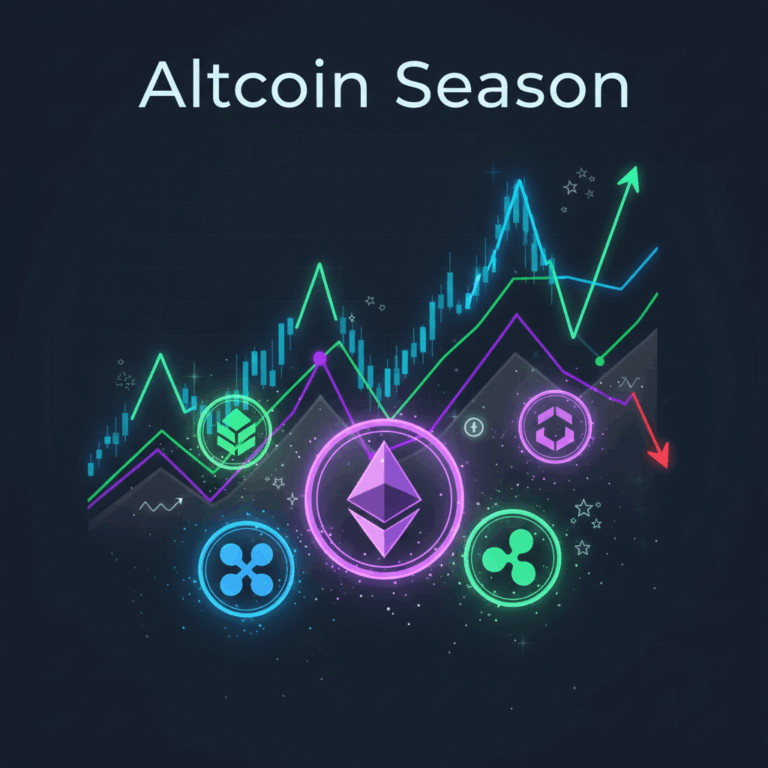
Altcoin season, or “altseason,” refers to periods when alternative cryptocurrencies outperform Bitcoin in price gains and market activity. This phase reflects a shift in investor capital from Bitcoin to various altcoins.
During altseason, many altcoins often experience rapid appreciation, attracting increased trading volume and attention. Recognizing the onset of altseason can provide important opportunities for investors seeking higher returns within the crypto space.
Anúncios
What Altcoin Season Means
Altcoin season is marked by the collective outperformance of altcoins relative to Bitcoin. This suggests a broad market rotation where investors diversify away from Bitcoin into other digital assets.
This phenomenon often results in sharper gains for altcoins, driven by capital flows and heightened interest. It reflects changing market dynamics, where smaller cryptocurrencies gain momentum and capture attention.
Anúncios
The term “altseason” also implies increased speculative activity and enthusiasm, sometimes creating opportunities for significant profits but accompanied by heightened volatility.
Market Cycles and Bitcoin Dominance
Crypto markets generally follow cycles influenced by Bitcoin’s price movements and events like halving. After major Bitcoin rallies, investors often seek higher returns through altcoins, initiating altseason.
This rotation is typically visible in declining Bitcoin dominance, the metric showing Bitcoin’s share of total market capitalization as it falls and altcoin dominance rises.
At the start of altseason, large-cap altcoins like Ethereum often lead the gains, followed by mid- and small-cap tokens, broadening market participation as momentum grows.
Tracking these cycles and Bitcoin dominance can help investors anticipate shifts in market focus toward altcoins and potential profit opportunities during altseason.
Key Indicators Identifying Altcoin Season
Identifying altcoin season involves monitoring key market metrics that signal a shift in investor focus from Bitcoin to altcoins. These indicators help investors understand when altcoins gain momentum.
By tracking dominance metrics, trading volume, sector trends, and overall market sentiment, traders can better anticipate altseason phases and position their portfolios accordingly.
Altcoin Season Index and Dominance Metrics
The Altcoin Season Index measures the percentage of top altcoins outperforming Bitcoin over a 90-day span. When 75% or more of these altcoins surpass Bitcoin’s returns, it signals a likely altseason.
Another vital metric is the decline in Bitcoin dominance, which indicates that altcoins are attracting a larger share of total crypto market capitalization, showing growing investor interest beyond Bitcoin.
Rising altcoin dominance often precedes widespread gains in diverse altcoin projects, highlighting a potential phase of strong outperformance relative to Bitcoin’s market influence.
Trading Volume and Sector Momentum
Significant increases in altcoin trading volumes reflect heightened liquidity and speculative interest. Trading activity, especially in altcoin-stablecoin pairs, often surges during altseason periods.
Additionally, momentum in specific sectors like DeFi, gaming, or NFTs can drive rallies. Innovations and hype surrounding these niches generate enthusiasm that spreads across many altcoins.
This sector-specific momentum often acts as a catalyst, encouraging capital flow into related tokens and amplifying the broader altcoin season dynamics.
Positive Market Sentiment
Market sentiment plays a crucial role in altseason. Media coverage, social media discussions, and bullish investor sentiment can create a feedback loop that intensifies interest in altcoins.
As sentiment turns positive, both retail and institutional investors become more active, which can propel altcoin prices higher and extend the duration of the altseason.
This optimistic atmosphere often encourages risk-taking and investment in emerging projects, contributing to widespread altcoin buying pressure and heightened volatility.
Behavioral Drivers and Market Risks
FOMO and Price Volatility
FOMO, or the fear of missing out, strongly drives altcoin markets during altseason. As prices rise rapidly, more investors rush in, hoping to capitalize on gains before they end.
This escalating buying pressure leads to increased price volatility, with altcoins often experiencing sharp upward spikes followed by swift corrections, reflecting speculative behavior.
The snowball effect caused by FOMO can amplify price swings, creating opportunities but also exposing investors to sudden downturns and heightened risks in the market.
Historical Patterns and Investment Cautions
Historical data shows that major altcoin seasons often follow Bitcoin halving events, occurring roughly 18 months later. This pattern reflects shifts in market dynamics and investor behavior post-halving.
While these patterns offer useful insights, investors should remember timing varies. Understanding this relationship helps prepare for potential altseason phases, but predictions remain uncertain.
Timing Relative to Bitcoin Halvings
Bitcoin halving events reduce block rewards, impacting supply and often sparking significant price rallies. After these rallies, profits may flow into altcoins, triggering broader market cycles favoring altseason.
Typically, about 18 months after halving, altcoins gain momentum as investors seek higher returns beyond Bitcoin. This period often coincides with rising altcoin dominance and increased trading activity.
However, this timing is not fixed, and external factors like macroeconomics or regulatory changes can influence altseason onset. Investors should consider halving cycles as one of several indicators.
Volatility and Risk Management
Altcoin seasons are characterized by high volatility, with rapid price surges sometimes followed by sharp corrections. Such fluctuations can offer strong profit potential but come with substantial risk.
Effective risk management is essential during altseason. Diversification, position sizing, and setting stop-loss orders help protect investments from sudden downturns common in these periods.
Investors should remain cautious of FOMO and avoid overexposure to speculative assets. Awareness of market sentiment and technical signals aids in navigating the unpredictable altcoin landscape.